

CHANGSHA, Oct. 13 (Xinhua) -- Two volumes of Chinese silk manuscripts dating back about 2,300 years have been returned to central China's Hunan Province, 79 years after they were smuggled out of the country, through cooperation between Chinese and the U.S. cultural institutions.
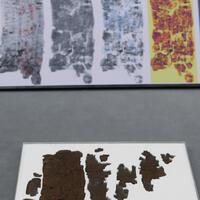
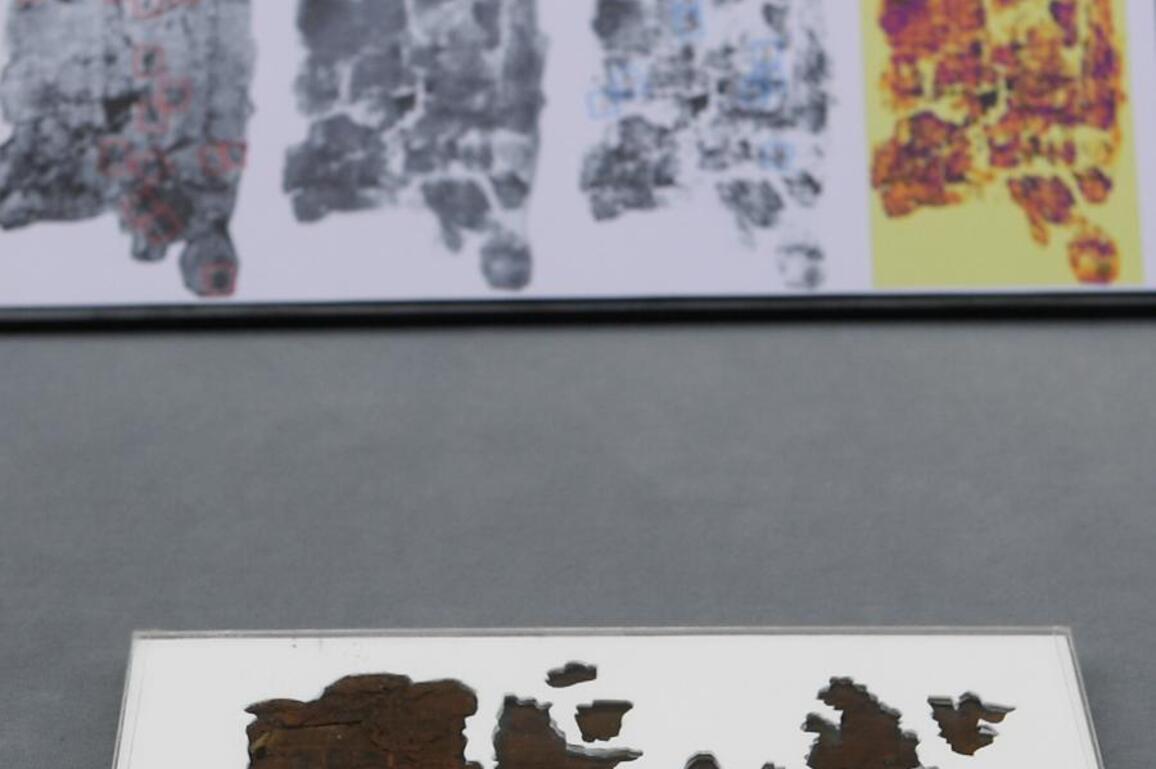
The second and third volumes of the Zidanku Silk Manuscripts -- precious cultural artifacts dating back to the Warring States Period (475-221 B.C.) -- were on Monday officially repatriated to Hunan Province. They will be permanently archived in the Hunan Museum in Changsha, the provincial capital.
The manuscripts, which were unearthed from a Chu-state tomb by tomb raiders at the Zidanku site in Changsha in 1942, consist of three volumes: "Sishi Ling," "Wuxing Ling" and "Gongshou Zhan." They are a systematic record of astronomy, calendars, cosmology and military divination from China's pre-Qin period. The silk manuscripts are the earliest examples of silk text discovered to date and form the oldest classical Chinese book in the true sense. They were smuggled out of China in 1946.
At the accession ceremony of the Zidanku Silk Manuscripts (Volumes II and III) on Monday, National Cultural Heritage Administration (NCHA) head Rao Quan said that the return of the manuscripts is a significant achievement of years of Sino-U.S. cultural and museum cooperation, and an example for international cooperation on artifact restitution.
Through Sino-U.S. cooperation on the return of cultural property, the "Wuxing Ling" and "Gongshou Zhan" volumes were returned to China by the Smithsonian Institution's National Museum of Asian Art this year, arriving in Beijing on May 18.