

From Vietnam to Ukraine, the real-world record of nuclear deterrence suggests its better at fuelling arms races than preventing bloodshed, writesMark Beeson.
THERES NOTHING quite like a real-world test of a theoretical proposition to instil confidence in the conventional wisdom. Unfortunately, if its the credibility of nuclear weapons as the ultimate form of deterrence thats in question, not many of us are likely to be around if the assumption proves unfounded.
What we do know is that nuclear weapons have no capacity to deter conventional wars, even if we assume that nuclear powers might think twice about getting into a fight with similarly equipped rivals. We also know that wars are easy to start and very difficult to stop, much less win in an unambiguously convincing fashion.
TheVietnam Waror the American War as the Vietnamese understandably call it lasted for 13 years and led to the U.S.s humiliating exit from Southeast Asia. Even though Vietnam undoubtedly won the conflict, some 2-3 million Vietnamese died in the process. To underline the pointlessness of all this carnage, Vietnam is now seen by many grand strategists as a potentiallyuseful allyagainst China the new existential threat to democracy, American primacy and much else.
Pointless, avoidable blood-soaked tragedies never go out of fashion, it seems. One might have thought that we would have learned some useful lessons from the war to end all warsWorld War 1or the increasingly fashionable, increasingly futile wars of choice that have been undertaken by theAmericans in particular.
No bomb, no peace: Israel and Iran collideIsraels attacks on Irans nuclear facilities expose the dangerous logic of striking first, even when theres nothing yet to strike.
It is not simply the fact that such conflicts encourage other leaders keen to use their military might to try and violently solve complex, historically embedded political problems that undermines confidence in deterrence theory. On the contrary, evennuclear weaponsare re-entering the lexicon of great power posturing and even war gaming, no doubt, as leaders try to convince their counterparts elsewhere that they arent bluffing about their possible use.
The most consequential example of this possibility at present is in Ukraine, where Russian PresidentVladimir Putinisthreateningto use tactical nuclear weapons in the increasingly unlikely event that outside powers intervene or that he looks like losing the war.
Part of what makes such threats credible is whatHugh White, one of Australias most prominent strategic commentators, calls the balance of resolve; in this case, the belief that Putin is willing to risk an apocalyptic conflict and use nuclear weapons against equally powerful opponents.
White argues that:
He may be correct that this has been the case for the last couple of hundred years, or even the last couple of thousand, according to somerealist thinkers, but that doesnt make it a desirable condition. Hopefully, it doesnt make it inevitable either, despite what the realist strategists may tell us. Indeed, we must hope they are wrong because strategic standoffs dont usually end well. The peaceful disappearance of the Soviet Union may be a historical aberration in this regard and one that Putin isdetermined to avenge.
Treaty the planets best chance to get rid of its worst weaponsFrom Jakarta to the Vatican, Prime Minister Albanese's journey underscores a global call to ban the world's most destructive weapons.
Given theconsequencesof what is euphemistically described by strategic thinkers as a nuclear exchange, we might expect that logic that underpins such possibilities might be subject to more rigorous examination and debate. But as is generally the way with military matters and grand strategising, such issues are the preserve of acoterie of specialistswho seem immune to external influence or the worries of mere mortals.
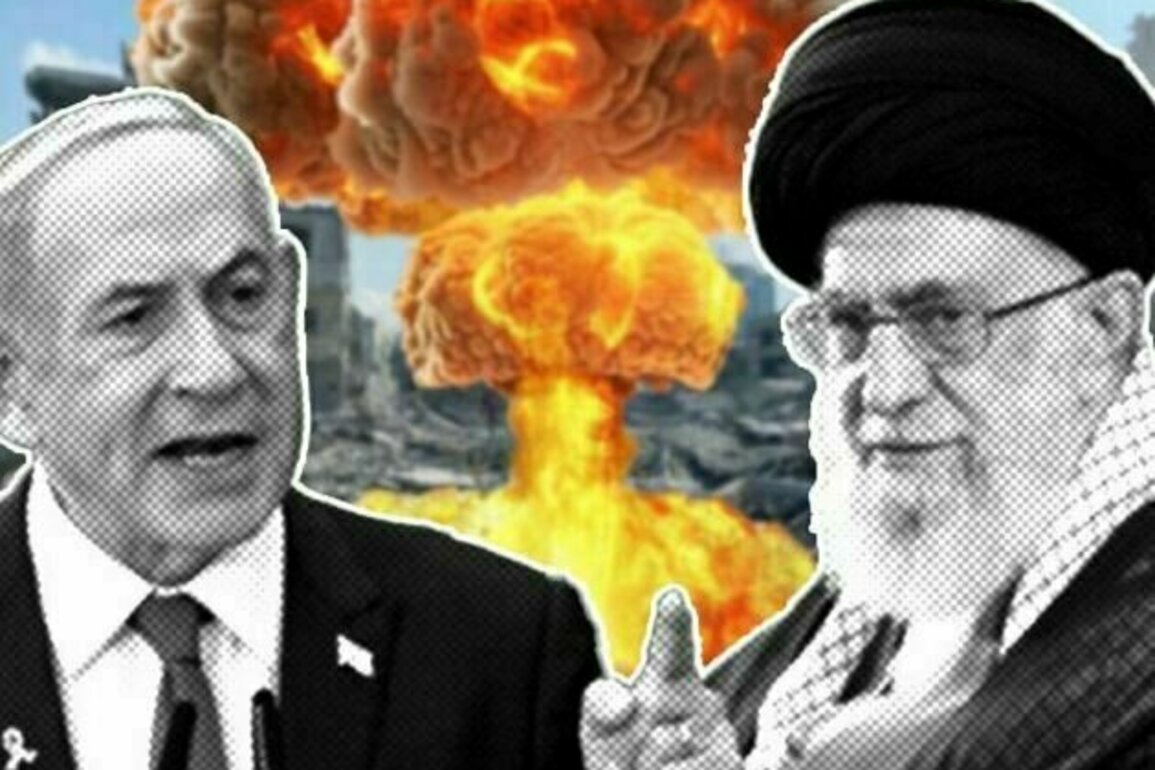
But one question we might usefully ask is: if nuclear weapons are such decisive deterrents, why doesnt everyone have one? Why shouldnt Iran have one, to take a topical example, as that might have deterred the Israelis from launching yet another assault on one of their neighbours.
If the right to have nuclear weapons is judged on behaviour and historical body counts, Israel, under Prime MinisterBenjamin Netanyahu, is surely the last country that ought to have any because it is clearly the most likely to use them. If Israel under his leadership is determined to stop Iran getting one, a nuclear weapon ought to do the trick, no matter how deeply buried Irans bomb building facilities are.
No doubt, there are quite a few people who would think this was no bad outcome, and well worth all the collateral damage being inflicted on Irans already impoverished people and infrastructure. Serves the Iranian people right fornot rising upand overthrowing an anachronistic theocracy, no doubt. And yet,Netanyahuis also a reminder that unscrupulous leaders who use war and hatred to maintain power can appear anywhere and prove difficult to get rid of, too.
For those countries that dont have nukes, these debates can seem a bit detached from reality and something we cant really influence. But that hasnt stoppedour ownhardheaded realists from urging us to get ready to strengthen U.S. extended nuclear deterrence and be ready to support nuclear operations to restore deterrence should it fail.
Quite how you restore deterrence when youve just vaporised large numbers of the purported enemy is an open question. Probably not the moment for a rational calculation of strategic options, though. Use them or lose them might be the order of the day.
Mark Beesonis an adjunct professor at the University of Technology Sydney and Griffith University. He was previously Professor of International Politics at the University of Western Australia.
Related Articles
- Treaty the planets best chance to get rid of its worst weapons
- Nuclear deterrence is a dangerous fraud
- The Oppenheimer imperative: Normalising atomic terror
- U.S. slammed for decrying Australia's anti-nuke stance
- HELEN CALDICOTT: Russia's war could spell worldwide nuclear disaster